
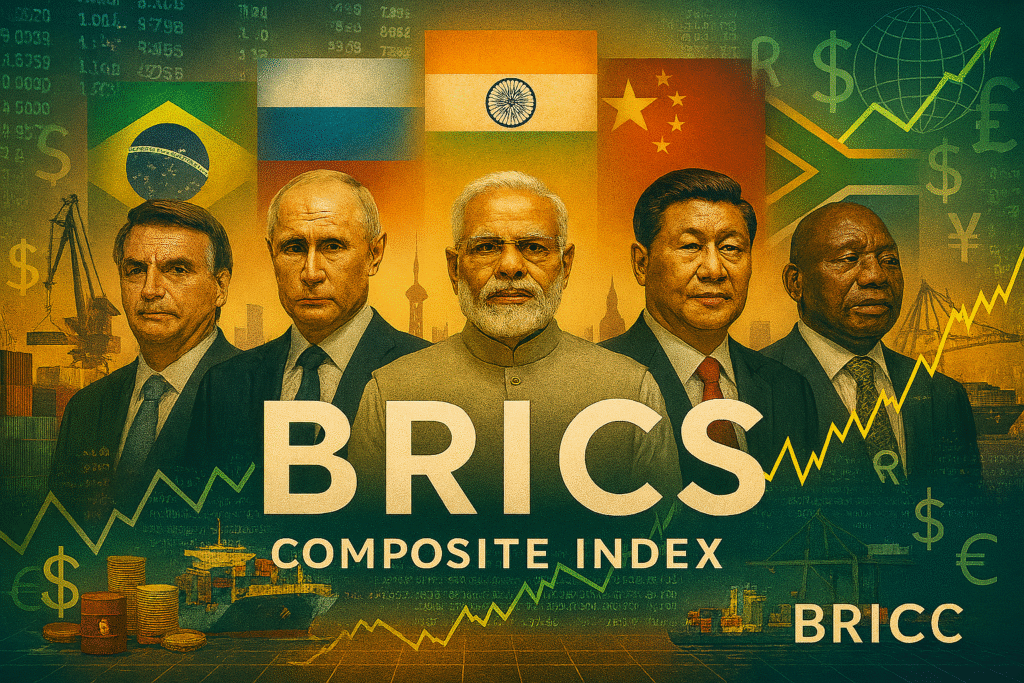
BRICS, an acronym representing Brazil, Russia, India, China, and South Africa, has emerged as a significant force in the global economy. These five nations, often referred to as emerging markets, have collectively demonstrated remarkable economic growth and influence. The BRICS Composite Index serves as a measure of their combined economic strength, reflecting trends in trade, investment, and market dynamics. This article delves into the BRICS economic power, exploring cross-border trade cooperation, currency talks, capital markets, and comparing their performance with G7 economies. Additionally, it examines how investor strategies adapt to this burgeoning economic force.
Cross-Border Trade Cooperation
BRICS countries have made substantial strides in enhancing cross-border trade cooperation. By fostering agreements that reduce tariffs and streamline transactions, these nations aim to boost intra-Group trade volumes. For instance, initiatives like the BRICS Customs Union and mutual recognition of standards facilitate easier trade flows among member states. Such合作 not only strengthens economic ties but also positions BRICS as a formidable player in global commerce.
Currency Talks and Financial Integration
The discussion on currency stability within BRICS is pivotal for enhancing their collective economic power. By exploring exchange rate management and potential mechanisms for alternative payment systems, these nations seek to reduce dependence on the US dollar. This initiative is crucial for insulating BRICS economies from external shocks and strengthening their financial autonomy. Additionally, efforts towards developing a common currency or regional payment systems could further integrate capital markets and enhance trade efficiency.
Capital Markets and Investment Opportunities
BRICS nations have taken steps to strengthen their capital markets, attracting foreign investment and fostering mutual financial instruments. The establishment of the BRICS Development Bank underscores their commitment to supporting infrastructure projects within the Group. These initiatives not only drive economic growth but also offer lucrative opportunities for investors seeking exposure to high-growth regions.
Comparative Analysis with G7 Economies
While G7 economies remain dominant, BRICS is rapidly closing the gap in terms of economic influence and market size. Unlike the G7, which is characterized by mature markets and established institutions, BRICS offers dynamic growth prospects and emerging opportunities. This comparison highlights the unique strengths of BRICS, emphasizing their potential to shape the global economic landscape.
Investor Strategies Adapting to BRICS-Led Growth
As BRICS economies continue to grow, investors are increasingly diversifying portfolios to include BRICS assets. Strategies such as investing in BRICS-focused ETFs or directly into emerging markets demonstrate investor confidence in these regions’ growth potential. Risk management techniques tailored to BRICS-specific challenges, such as political instability and currency fluctuations, are essential for maximizing returns.
Conclusion
The BRICS Composite Index is a testament to the growing economic power of Brazil, Russia, India, China, and South Africa. Through enhanced cross-border trade cooperation, innovative currency strategies, and robust capital markets, BRICS nations are solidifying their position as key players in the global economy. By comparing their performance with G7 economies and adapting investment strategies to capitalize on their growth, investors can navigate this evolving landscape successfully. As BRICS economic power continues to rise, their influence on global commerce and finance is set to expand further, shaping the future of international trade and investment.